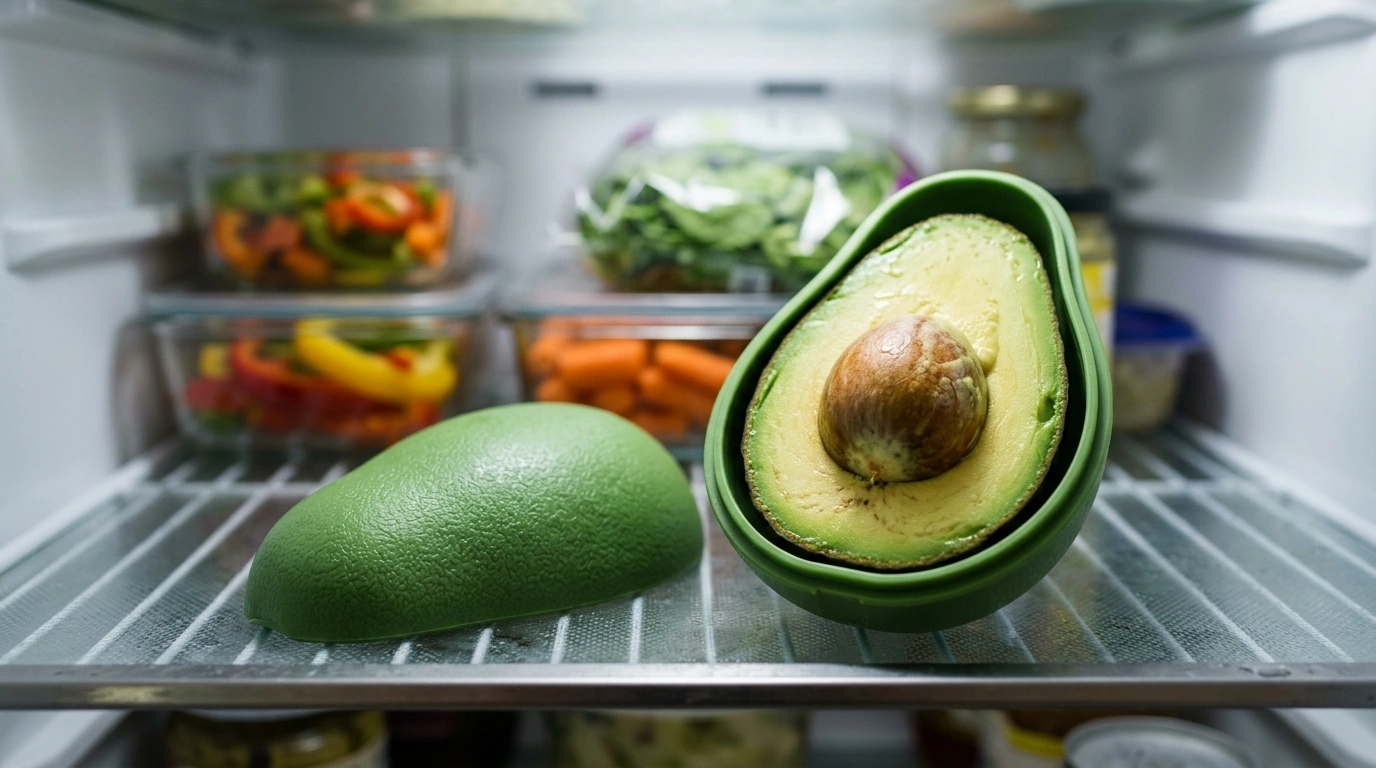
A cut avocado can turn brown fast, go soft at the edges, and pick up fridge odors. An avocado saver storage box is designed to protect the exposed surface, reduce air contact, and keep halves stable so they stay usable for the next meal—without resorting to awkward plastic wrap or bulky containers. For anyone who regularly uses half an avocado at breakfast and the other half at lunch or dinner, a purpose-built container can make “leftover avocado” feel less like a gamble and more like a dependable ingredient.
That familiar brown layer isn’t a sign that the avocado instantly “went bad”—it’s usually a surface-level chemical reaction that starts as soon as the flesh meets air.
Most makeshift methods fail for one of two reasons: they leave too much air around the cut surface, or they don’t protect the soft flesh from getting smeared and bruised. An avocado saver storage box is built to address both.
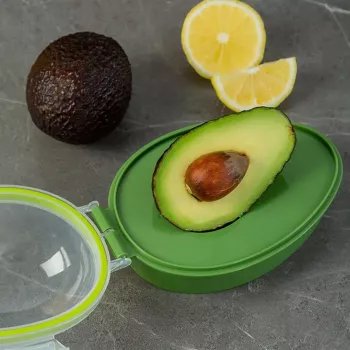
The Avocado Saver Storage Box is a compact container intended for storing a cut avocado half in the refrigerator. It’s a simple tool that fits naturally into meal prep routines: slice an avocado, use what you need, then tuck the other half away neatly so it’s ready for tomorrow’s toast, salad, or tacos.
It also pairs well with common freshness habits—chill promptly, keep the cut surface as intact as possible, and reduce exposure to moving air inside the fridge. For food-safety and storage timing guidance across common foods (including produce), the USDA FoodKeeper App is a helpful reference point.
| Method | Oxygen protection | Spill/odor control | Convenience | Best use case |
|---|---|---|---|---|
| Avocado saver storage box | Good (enclosed space) | Good (sealed container) | High | Storing one half neatly in the fridge |
| Plastic wrap pressed to surface | Good if airtight | Low–Medium | Medium | Short storage when wrap adheres well |
| Zip-top bag | Medium (air often remains) | Medium | Medium | Quick storage when container isn’t available |
| Airtight food container (generic) | Medium–Good (more headspace) | Good | Medium | Storing chunks/slices or multiple items |
| Plate/bowl uncovered | Low | Low | High (but messy) | Immediate use only |
A dedicated container helps most when the basics are done right. These small steps can noticeably improve color and texture by the next day.
Leftover avocado is easiest to use when it’s planned for—so it doesn’t linger until it’s too soft to enjoy.
Leaving the pit in can reduce the exposed surface area slightly, but browning depends mostly on oxygen contact. The most important step is covering the cut surface well and refrigerating promptly.
For best quality, many cut avocados are most enjoyable within about 1–2 days, depending on ripeness and how cold your fridge runs. Before eating, check for a fresh smell, normal color under any browned layer, and no signs of mold or off texture.
Citrus can slow browning because acidity and antioxidants help reduce oxidation, but it won’t stop it completely. A thin, even coating is usually enough to help without making the avocado taste strongly of lemon or lime.











Leave a comment