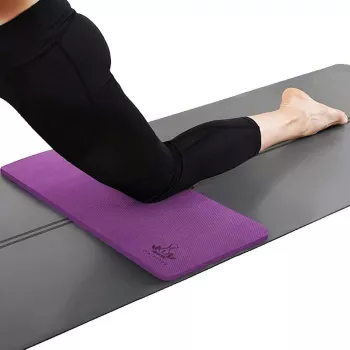
Kneeling can turn yoga, floor exercises, and garden tasks into an uncomfortable (or even painful) experience—especially on hard floors, rough patios, or compacted soil. A supportive knee pad cushion adds comfort, improves stability, and helps maintain better form during movements that load the knees and shins. Whether you’re holding a low lunge, flowing through tabletop work, or spending an afternoon weeding, a dedicated non-slip cushion is a simple upgrade that helps you stay consistent without dreading the next kneeling position. For more guidance, see Garden Kneeling Pad Multi-functional Cushioned Mat for Yoga ….
A folded towel might feel helpful for a minute, but it usually shifts, compresses unevenly, or slides when you transition. A purpose-built knee pad cushion is designed to stay put and distribute pressure more evenly. For further reading, see Prayer Kneeling Cushion For Knees Fdit Knee Pads For Garage ….
If knee discomfort is frequent, it’s also worth understanding common knee issues and warning signs. NIAMS provides a helpful overview of knee problems and injuries here: https://www.niams.nih.gov/health-topics/knee-problems.
The best cushion is the one you’ll actually use—at home, in class, or outdoors. These features tend to matter most when you’re moving through transitions or kneeling on uneven ground.
A non-slip knee pad cushion shines in the “in-between” moments—when you’re shifting weight, adjusting stance, or holding a position long enough for pressure to build. Pairing good technique with the right support can make kneeling work feel steadier and more joint-friendly. For broader training guidance, ACSM offers evidence-based resources on resistance training: https://www.acsm.org/education-resources/trending-topics-resources/resistance-training.
| Activity | Where to place it | Main benefit |
|---|---|---|
| Yoga low lunge | Under back knee | Comfort and steadier balance |
| Tabletop / bird-dog | Under both knees | Reduced pressure and less sliding |
| Kneeling core work | Under both knees or one knee | Longer sets with better form |
| Gardening (weeding/planting) | Under kneeling knee(s) | Cushioning on soil, gravel, or pavers |
| Household cleaning | Under knees on tile/wood | Less irritation during scrubbing |
Outdoor kneeling brings different challenges than a studio floor. Small stones, roots, and uneven pavers can create sharp pressure points—and sliding is more likely when you’re shifting to reach tools or plants.
If you want one grab-and-go option that works for kneeling yoga, floor training, and outdoor chores, the Non-Slip Yoga Knee Pad Cushion for Floor Exercises & Gardening – Purple is designed to add comfort and traction on hard or uneven surfaces. The purple color also makes it easy to spot in a gym bag, garage shelf, or garden tote.
Yes when it has a grippy, non-slip base. For best results, place it on a clean, dry surface and press it down briefly before you start transitions.
Yes. Use it under the back knee in lunges or under one knee for modified kneeling exercises while keeping the other knee on the mat or floor.
Brush off debris first, then wipe it with a damp cloth and mild soap if needed. Let it air dry fully before storing it indoors.









Leave a comment