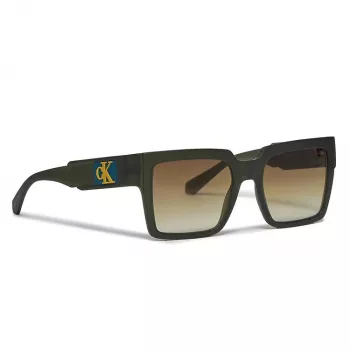
Square frames with a yellow lens tint bring a clean, architectural look while adding a warm cast that can feel comfortable in variable light. The result is polished but not precious: a defined silhouette up top, plus a lens color that reads intentional and modern. Below is a practical guide to what to expect from the style, how yellow lenses behave outdoors, and what to check for in fit, protection, and care before making them part of a daily rotation.
A square silhouette is one of the easiest ways to make sunglasses look crisp and contemporary without going over the top. The straight lines and corners naturally complement structured pieces (blazers, button-downs, clean denim), but they also sharpen up relaxed outfits like a hoodie-and-sneakers day.
Yellow lenses bring a warm, slightly golden view that many people find pleasant when the light is flat or changeable. On overcast days, in haze, or during early/late sun, the added warmth can make scenes feel brighter and edges look a bit more defined. Paired together, the frame shape provides definition while the tint adds personality—bold without being loud.
Styling sweet spots include monochrome outfits, neutrals, denim-and-tee basics, and clean athleisure where the lens color becomes the accent. If the rest of the outfit is minimal, the yellow tint reads like a deliberate design choice rather than a trend-only detail.
Yellow tints are often associated with contrast and clarity. In practical terms, they can reduce the feeling of “blue haze” in certain conditions and help some wearers feel more comfortable when the sky is cloudy or the sun is low. That said, tint color is not the same thing as protection.
UV protection depends on the lens material and treatments, not the visible darkness or color. For real eye safety, look for explicit labeling such as UV400 or 100% UVA/UVB protection. The American Academy of Ophthalmology explains why UV protection matters and what to look for when choosing sunglasses (AAO guidance), and the FDA also outlines common labeling and consumer considerations (FDA overview).
For intense midday sun, yellow lenses can feel bright because they don’t reduce visible light as much as darker neutral tints (like gray or green). If the main use case is long beach days, midday outdoor sports, or extended time in high-glare environments, a darker neutral tint may feel more relaxing.
Glare control is another separate topic: reflected glare from water, snow, glass buildings, or bright pavement is best addressed with polarized lenses. A standard tint can look stylish and still be UV-protective, but polarization is what typically makes driving and reflective settings feel less harsh.
| Feature | What it helps with | Good to know |
|---|---|---|
| UV400 / 100% UVA-UVB | Protects eyes from ultraviolet radiation | Tint is not a guarantee—look for explicit UV labeling |
| Polarized lens | Reduces harsh reflected glare | Especially helpful for driving, water, and bright pavement |
| Yellow tint | Boosts contrast and warmth | May feel less comfortable in very bright midday sun |
| Scratch-resistant coating | Improves durability | Still benefits from careful cleaning and a protective case |
| Anti-reflective (backside) | Reduces reflections behind the lens | Helpful when light comes from the sides or behind |
Even the best-looking sunglasses won’t get worn if the fit is off. Square frames can feel especially “present” on the face because of their corners and broader visual footprint, so comfort details matter.
Consider a different tint if you spend long stretches in harsh midday sun or highly reflective environments. A darker neutral lens often feels calmer when the sun is intense, and polarization is worth prioritizing for frequent driving, boating, or bright pavement. For broader sun-safety habits beyond eyewear, the CDC also highlights practical ways to reduce UV exposure outdoors (CDC sun safety tips).
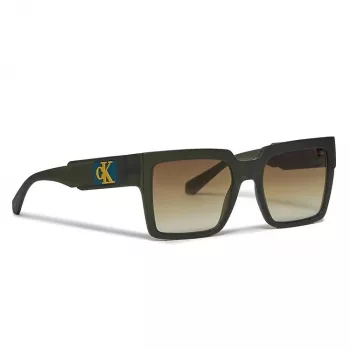
If you’re after a sharp shape with a warmer lens look, Calvin Klein Square Yellow Lens Sunglasses deliver a distinct, modern profile that still wears well day to day. They’re especially suited to variable or softer light conditions where a yellow tint can feel comfortable and bright.
For a coordinated, polished outfit pairing, consider styling them with structured denim like Gucci Classic Straight-Leg Cotton Jeans with Leather Patch Detail to balance the modern lens tint with a timeless silhouette.
They can feel bright in intense midday light because yellow tints often let in more visible light than darker neutral lenses. Many people prefer yellow lenses for hazy or overcast conditions where contrast can feel boosted, but UV protection depends on the lens rating, not the color.
No—visible tint doesn’t guarantee UV blocking. Look for clear labeling such as UV400 or 100% UVA/UVB protection to confirm the lenses are designed to filter ultraviolet radiation.
Polarized lenses reduce reflected glare from surfaces like water, glass, and roads, which can make vision feel more comfortable and less washed out. This is especially useful for driving and other bright, reflective environments.










Leave a comment