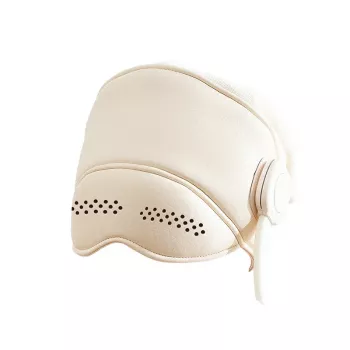
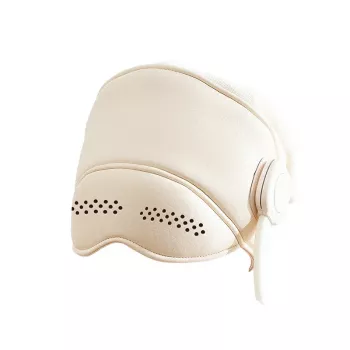
A fully automatic head & eye massager helmet is made to create a hands-free relaxation zone around the temples, forehead, and eye area—especially welcome after long screen time, commuting, or high-stress days. Instead of pressing your fingers into tight spots, you can settle in, choose a gentle mode, and let the device do the work. Below is a practical guide to what it does, how to use it comfortably, and when it’s better to skip a session.
Most head-and-eye “helmet” style massagers focus on the areas where many people hold everyday tension: the forehead, brow line, temples, and upper face. They typically use gentle pressure and rhythmic movement patterns designed to encourage relaxation and help you unplug for a few minutes.
Many users treat it like a quiet reset ritual—something to use while resting on the couch, doing a short breathing exercise, or winding down before sleep. It’s meant for comfort and relaxation, not as a medical device or a treatment for underlying conditions. If you’re dealing with persistent headaches, eye pain, or unusual symptoms, it’s worth checking in with a clinician.
Screen-heavy days can contribute to digital eye strain and tension around the brow and temples, particularly when you’re focusing for long periods without breaks. A short, gentle session can feel like a “pattern interrupt”—a few minutes where your eyes close, your facial muscles soften, and your body gets a cue to downshift.
Pairing a session with better screen habits can also make wind-down time feel more intentional. The American Academy of Ophthalmology suggests strategies like regular breaks and mindful blinking to reduce digital eye strain; using a massager can complement those habits by encouraging you to actually take the break. For more on eye strain basics, see AAO’s overview of Computer Vision Syndrome and the Mayo Clinic’s guide to eye strain.
Another reason people like helmet-style devices is consistency. Self-massage pressure tends to vary (and can get too intense without noticing). A hands-free design keeps pressure more even and lets your hands fully rest.
The helmet should feel secure without pinching. Good contact feels evenly snug across the forehead and temple area—never sharp, painful, or overly tight around the eyes.
Starting with the gentlest setting matters more than most people expect. Facial and temple areas can be sensitive; low intensity helps your body accept the sensation as soothing rather than overwhelming.
Short sessions are often the sweet spot at first. Many users start around 10–15 minutes, then increase only if the experience stays comfortable and relaxing.
If you plan to use it near bedtime or around others, quieter operation makes a big difference. A calmer sound profile supports a “lights down, eyes closed” routine rather than a gadgety experience.
For the smoothest first sessions, set yourself up like you would for a short rest: seated with head support or reclining so the helmet stays aligned across the forehead and eye area. Begin with the lowest intensity and a shorter session to gauge how your body responds.
Small adjustments can fix most comfort issues. If pressure feels uneven, reposition the device slightly rather than tightening it. The goal is even, gentle contact—especially around the eye area.
Helpful habits can improve comfort: remove glasses, consider removing contact lenses if your eyes are sensitive, dim the lights, and take a few slow breaths as the session starts. Massage is generally considered a relaxation-focused practice, but it should still feel safe and tolerable; if anything feels wrong, stop. For general benefits and safety considerations around massage, see the Cleveland Clinic’s massage therapy overview.
| Step | Tip |
|---|---|
| Before starting | Tie back hair, remove glasses, and ensure skin is dry and clean. |
| First session | Use the gentlest mode and stop early if any discomfort appears. |
| During use | Keep jaw and shoulders relaxed; avoid clenching. |
| After use | Blink slowly, hydrate, and take a 1–2 minute quiet break before returning to screens. |
| Detail | Value |
|---|---|
| Product | Fully Automatic Head & Eye Massager Helmet |
| Price | $56.51 USD |
| Availability | In stock |
| Best used for | Relaxation, tension relief around forehead/temples, screen-time wind-down |
It may feel soothing by relaxing muscles around the forehead and temples and encouraging a real break from focusing. Pair it with regular screen breaks, mindful blinking, and comfortable lighting for better results.
Start short (around 10–15 minutes) on a gentle setting. Increase only if it remains comfortable, and stop immediately if there’s pain, dizziness, or a worsening headache.
Use caution, since some people find pressure or stimulation triggering. Avoid use during severe symptoms, and consult a clinician or eye-care professional if you’re unsure whether it’s appropriate for your situation.










Leave a comment