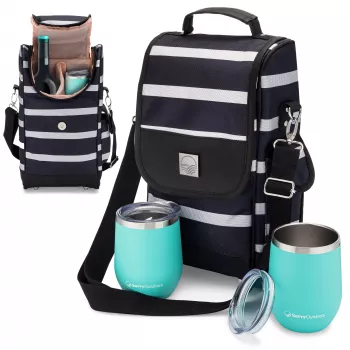
An insulated wine tote set keeps a bottle protected, helps maintain a pleasant serving temperature, and brings along stemless glasses so pouring is simple at picnics, beaches, concerts, and backyard gatherings. Instead of juggling a bottle, loose glassware, and a flimsy shopping bag, you get a compact setup that’s easier to carry, quicker to unpack, and far less likely to end in warm wine or chipped rims. For more guidance, see Wine and Wine Theme Gifts Christmas 2023.
What the set is designed to do
A good tote-and-glasses combo is built around three basics: protection, organization, and better sipping outdoors. Here’s what that looks like in real use: For further reading, see Wheeling, WV – BEER & WINE.
- Carry a standard wine bottle securely while reducing temperature swings during transport.
- Keep stemless glasses protected so they arrive clean and chip-free.
- Organize essentials (like a small opener, napkins, or snacks) so the outing stays tidy.
- Make outdoor sipping more practical than balancing a bottle on a blanket while hunting for cups.
The biggest benefit is convenience: when your glassware and bottle share a purpose-built home, you’re more likely to actually bring them—and use them—without extra fuss.
At-a-glance features that matter most
Not all insulated totes are built the same. A few construction details make the difference between “cute idea” and “actually useful all season.”
- Insulation quality determines how long the bottle stays closer to the intended serving temperature.
- A stable bottle compartment helps prevent clinking, tipping, and accidental leaks.
- Dedicated glass storage reduces the chance of scratches and keeps glassware separate from condensation.
- Easy-to-clean materials make the bag more usable after spills, park dust, or beach days.
Quick checklist before buying an insulated wine tote set
| Feature |
Why it matters |
What to look for |
| Insulated lining |
Slows warming/cooling so the wine stays enjoyable longer |
Thicker insulation, smooth wipeable interior |
| Bottle security |
Prevents shifting, clanking, and breakage |
Snug bottle sleeve or padded compartment |
| Stemless glass protection |
Reduces chips and keeps rims clean |
Separate pockets/holders and padding |
| Leak resistance |
Helps contain condensation or minor spills |
Water-resistant exterior, easy-clean seams |
| Carry comfort |
Makes walks to parks or events easier |
Sturdy handles or adjustable shoulder strap |
| Storage extras |
Keeps small items organized |
Accessory pocket for opener, cork, napkins |
Where this tote-and-glasses combo shines
- Picnics and parks: fewer items to carry, and glasses are ready the moment you pick a spot.
- Beach days: a more contained setup that helps separate sand-prone gear from drinkware.
- Outdoor concerts and tailgates: quick setup with a tidy footprint on blankets and folding tables.
- Housewarmings and hostess gifts: a complete bundle that feels more intentional than a single bottle.
- Travel and short road trips: protects a bottle in transit and avoids last-minute glass hunts at the rental.
If you’ve ever arrived with a bottle and realized the only “glass” available is a plastic cup, this type of set earns its keep immediately.
How to pack it for better temperature and fewer messes
- Chill the bottle ahead of time. Insulation slows change; it doesn’t magically cool a warm bottle.
- Add a slim ice pack (if the tote has room) and place it between the bottle and the outer wall to reduce condensation near glass storage.
- Store glasses upright in their holders and avoid placing hard items (like openers) directly against glassware.
- Pack one small cloth or paper towel to wipe condensation before pouring for better grip and drier hands.
- For sparkling wine, keep it stable. A snug compartment reduces agitation while walking, which helps avoid an over-foamy pour later.
For serving temperatures, a quick reference like Wine Folly’s serving temperature guide is handy when choosing what to chill and when to pull it out.
Care, cleaning, and long-term upkeep
- Wipe the interior after each outing to prevent lingering odors and sticky residue.
- Dry fully with the zipper open to avoid mildew, especially after ice packs or humid weather.
- Spot-clean the exterior with mild soap; harsh cleaners can degrade coatings and water resistance.
- Only transport clean, fully dry glasses to reduce water spots and storage odors.
- Store the tote loosely (not compressed) so padding and insulation keep their shape.
If your outing includes perishable snacks, it’s also smart to keep an eye on time and heat exposure; the FDA’s overview of the food temperature danger zone offers straightforward guidance for safe outdoor serving.
A simple serving-temperature approach for outings
- Keep whites and rosés cooler and reds slightly below warm outdoor temperatures; insulation helps prevent rapid warming in the sun.
- Choose shade whenever possible. Direct sunlight heats bags quickly even with insulation.
- Open and pour in short sessions instead of leaving the bottle out for long stretches.
- For hot days, bring a backup cold pack in a separate pouch to swap midway through the outing.
Product options in stock
FAQ
Will an insulated wine tote keep wine cold all day?
Insulation slows temperature change rather than replacing refrigeration. With a well-chilled starting bottle, shade, and an ice pack, it can stay pleasantly cool for a few hours; in all-day sun, wine will warm much faster.
Do stemless glasses travel safely in a wine tote?
They can, as long as the tote has dedicated, padded holders and you pack carefully. Keep metal tools and other hard items in separate pockets so the glasses aren’t pressed or scratched during travel.
How should the tote be cleaned after spills or condensation?
Wipe the interior with mild soap and water, then let it air-dry completely with the zipper open. Avoid harsh cleaners, and don’t store it while damp to prevent odors and mildew.
Recommended for you












Leave a comment