Live Shrimp Jig Hooks: Built for Straight Tracking and Better Hookups
Live shrimp can outfish artificials when it stays lively, tracks straight, and looks natural in the water. The right hook shape and weight placement help shrimp swim instead of spin, reduce fouling, and improve hookup consistency on inshore species. This guide breaks down what these EWG-style shrimp jig hooks are designed to do, how to rig them cleanly, and when to switch weights or retrieves for better results.
What makes a shrimp jig hook different
A dedicated shrimp jig hook isn’t just “a hook with weight.” Its geometry is tuned to keep a real bait aligned so it moves like food, not like hardware. That matters when you’re drifting grass edges, pitching docks, or slow-rolling current seams where fish get a long look.
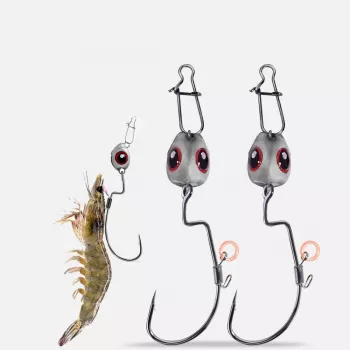
- EWG (extra-wide gap) profile creates room for a natural bait body while keeping point exposure for solid hookups.
- Front-weighted jig placement helps stabilize the bait and encourages a head-down, swimming posture.
- Swimbait-hook geometry helps the bait track true, reducing spinning that can twist line and stress shrimp faster.
- Streamlined presentation that works under floats, on controlled drifts, or slow-rolled near bottom structure without looking bulky.
Quick product overview
If you want a simple, pack-ready way to rig shrimp with a cleaner track and more consistent hook placement, start here: Live Shrimp Jig Hooks 10pcs – EWG Swimbait Hooks for Natural Bait Action.
- Set size: 10 pieces per pack.
- Hook style: EWG swimbait-style jig hooks intended for live shrimp and similar soft or live baits.
- Best use: inshore flats, docks, grass edges, and current seams where a natural drift or slow swim gets more bites.
- Value add: easier to keep shrimp lively and swimming straight compared with bulky hardware or poorly balanced hooks.
At-a-glance: when these hooks shine
| Situation |
Why it works |
Retrieve/Presentation |
| Moderate current or wind drift |
Front weighting helps the shrimp hold a stable track |
Let it drift, occasional small twitches |
| Grass edges and potholes |
EWG gap helps keep point clear of bait body |
Slow swim, pause over openings |
| Dock pilings / bridge shadow lines |
Controlled fall and better tracking near structure |
Short pitches, let it fall, gentle lifts |
| Finicky fish in clear water |
Natural posture reduces “hardware look” |
Long casts, minimal movement |
How to rig live shrimp for natural action
Good rigging is mostly about two goals: keep the shrimp alive and keep it straight. A lively shrimp with a clean track looks convincing even at low speed, especially when fish are wary.
- Handle shrimp gently: wet hands or a wet rag helps preserve the slime coat and keeps them lively longer.
- Option A (most common): tail-hooking—insert the point through the last tail segment, avoiding the dark intestinal line; this keeps shrimp kicking and swimming forward on a slow pull.
- Option B (control in current): horn/head hooking—place the hook lightly through the hard horn area in front of the head, avoiding the black spot/brain area; this can improve durability during long drifts.
- Keep it straight: if the shrimp hangs sideways or spins, re-hook with a shallower pass so the body remains aligned.
- Match weight to depth: use the lightest setup that reaches the strike zone; too much weight makes shrimp look “spent” and increases snagging.
Presentation playbook: drift, swim, and hop
Once the shrimp is rigged cleanly, the presentation becomes easier: fewer resets, less line twist, and more time in the strike zone.
- Free-line drift: ideal over shallow flats—cast up-current, keep a semi-slack line, and let the shrimp move naturally.
- Under a popping cork/float: adds sound and suspends shrimp above grass—use short pops with pauses so the bait settles naturally.
- Slow swim near bottom: for deeper edges—retrieve just fast enough to maintain contact; occasional pauses can trigger strikes.
- Light hopping: over sand pockets and shell—small lifts with the rod tip, then let it glide back down without dragging.
- Strike management: when fish peck, avoid jerking immediately; allow steady pressure until the rod loads, then lift into the hook.
Choosing the right setup around your water
Common problems and quick fixes
Care, safety, and responsible use
For up-to-date rules and best practices, reference NOAA Fisheries — Recreational Fishing Regulations and IGFA — Responsible Angling Guidelines.
Recommended add-ons from our store
FAQ
Where should a live shrimp be hooked for the most natural swimming action?
Tail-hooking through the last tail segment (avoiding the dark intestinal line) usually gives the liveliest kick and a natural forward swim on a slow pull. If you need more durability in current, hook lightly through the hard horn area in front of the head, staying clear of the black spot/vital area.
Why does my shrimp keep spinning on the retrieve?
Spinning is most often caused by crooked hook placement, piercing too deep, retrieving too fast, or using more weight than needed. Re-rig with a shallower, straighter pass so the body hangs aligned, then slow the retrieve to keep the shrimp tracking true.
Can these hooks be used with soft plastics instead of live shrimp?
Yes—these hooks can also work with shrimp imitations and small swimbaits. Rig the plastic perfectly straight, keep the point path clear, and use a steady slow swim with occasional pauses to mimic a natural glide.
Recommended for you












Leave a comment