
Authentic Gucci jeans have a consistent “story” across materials, construction, and packaging. Fakes often get one or two details right, but fall apart when you check the whole set—labels, stitching, hardware, and the overall feel.
Look for clean, crisp printing or embossing, accurate spacing, and even alignment on the Gucci label and care tags. Letters should be sharp (not blurry), with consistent font weight. Misspellings, odd spacing, or crooked stitching that secures the label are common red flags.
Gucci denim typically shows neat, uniform stitch length with no loose threads. Seams should lie flat and feel sturdy. Uneven topstitching, puckering around seams, or messy hemming often indicates a counterfeit or low-quality replica.
Examine the zipper pull, buttons, and rivets. Authentic hardware feels substantial, finishes are even, and engravings (if present) are clean and centered. Flaking plating, rough edges, lightweight parts, or shallow/uneven engravings are warning signs.
Real Gucci jeans generally use premium denim with a deliberate hand-feel—whether structured cotton or a stretch blend. Counterfeits may feel thin, overly stiff, or oddly slick. If the cut looks off compared with how that style is meant to sit (rise, leg shape, drape), proceed cautiously.
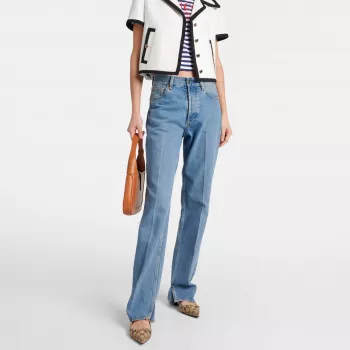
Receipts, order confirmations, and reputable retailer history matter. If possible, compare details (label placement, wash, hardware placement) to a trusted reference. For a helpful point of comparison on a real Gucci denim style, see this guide to Gucci straight-leg cotton jeans.
For Real vs Fake Gucci Jeans: 5 Fast Authenticity Checks, the best answer depends on fit, material, care instructions, and how the product will be used day to day.
Label and tag quality is often the quickest tell: blurry fonts, misspellings, and crooked label stitching are common on fakes. After that, check uneven seams and lightweight hardware.












Leave a comment