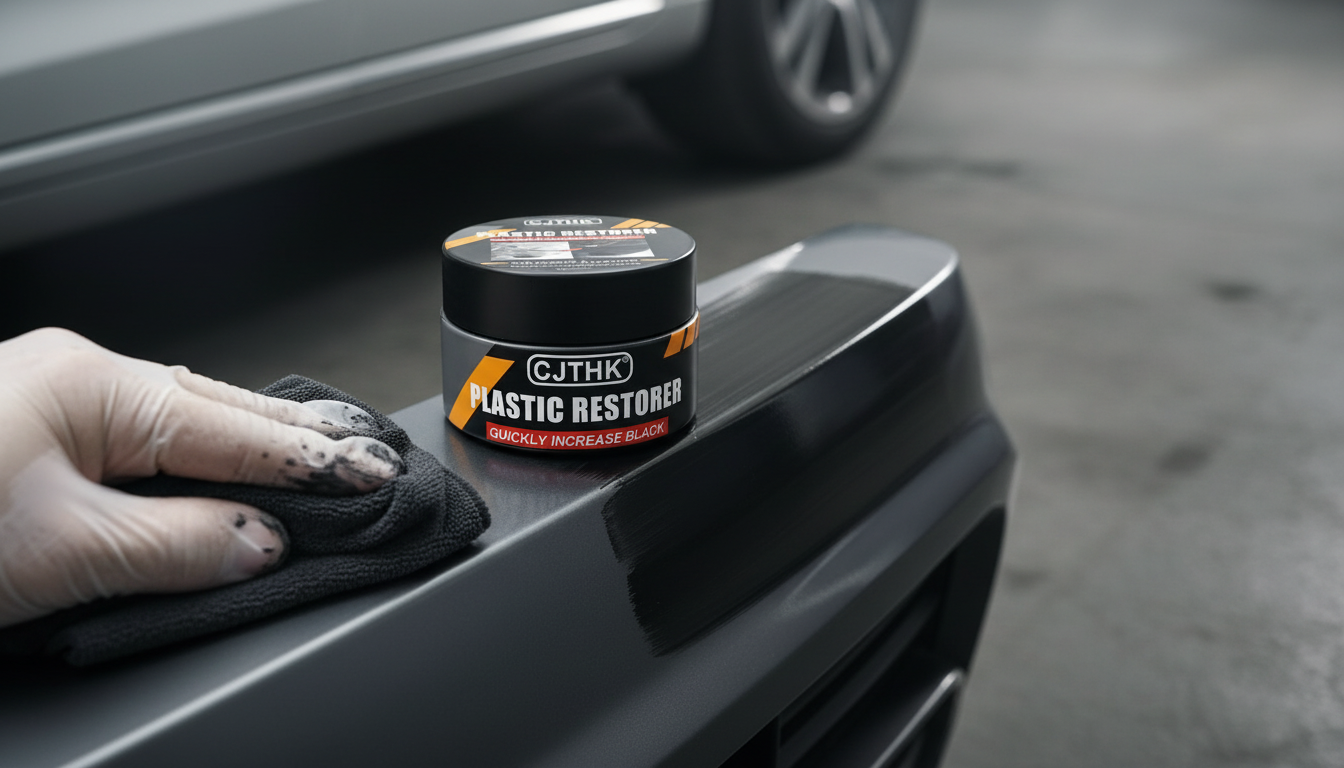
The best plastic restorer for cars is one that matches your goal (deep color revival vs. long-term protection), fits the surface you’re treating (exterior trim, interior plastics, rubber seals), and dries to the finish you actually want (factory-matte instead of greasy shine). For most drivers, the top choice is a trim and plastic restorer that both replenishes faded material and leaves behind a durable protective layer to slow down future oxidation and UV damage.
Look for a formula designed specifically for automotive plastics and trim—not a general-purpose dressing. A quality restorer should: clean up evenly, darken and blend patchy fading, resist streaking in rain, and avoid attracting dust. If the product feels oily after curing, it tends to sling, smear on glass, and look uneven over time.
1) Exterior vs. interior use: Exterior trim needs UV and weather resistance; interior plastics need a non-greasy, low-glare finish that won’t feel slippery.
2) Finish: Many people prefer a natural satin/matte “new plastic” look. High-gloss dressings can hide fading briefly, but they often look artificial and wash off faster.
3) Durability: If you wash often or park outside, prioritize longer-lasting protection over instant shine. Water beading and even fading over weeks (not days) are good signs.
4) Prep and application: The best results come from cleaning the trim first, fully drying it, then applying a thin, even coat. Thick applications can leave blotches on porous plastics.
For a step-by-step method to restore faded plastic and keep it looking fresh, follow this detailed guide: car plastic and trim restorer guide. It covers surface prep, application tips, and how to avoid common mistakes like streaking and over-application.
Longevity depends on sun exposure, washing frequency, and product type, but a good trim restorer typically holds up for weeks to months. Regular maintenance washes and parking in shade help it last longer.












Leave a comment